The most expensive part of customer acquisition isn’t the cost to convert someone. It’s the cost to replace them when they leave in the first 90 days because the post-conversion experience didn’t match what marketing promised.
Key Takeaways
- The Ferrari-to-Honda problem occurs when polished marketing websites hand customers off to clunky post-conversion experiences (member portals, checkout flows, dashboards) that feel like a brand downgrade
- Early churn is often a UX problem, not a product problem; customers leave because the experience quality drops after signup
- Most brands don’t need a full portal rebuild to reduce customer churn; they need to extend brand-consistent UX into the 3-5 highest-friction post-conversion touchpoints
- Solutions include iframe overlays for checkout, custom-styled dashboard templates, onboarding email sequences with embedded flows, and phased integration strategies
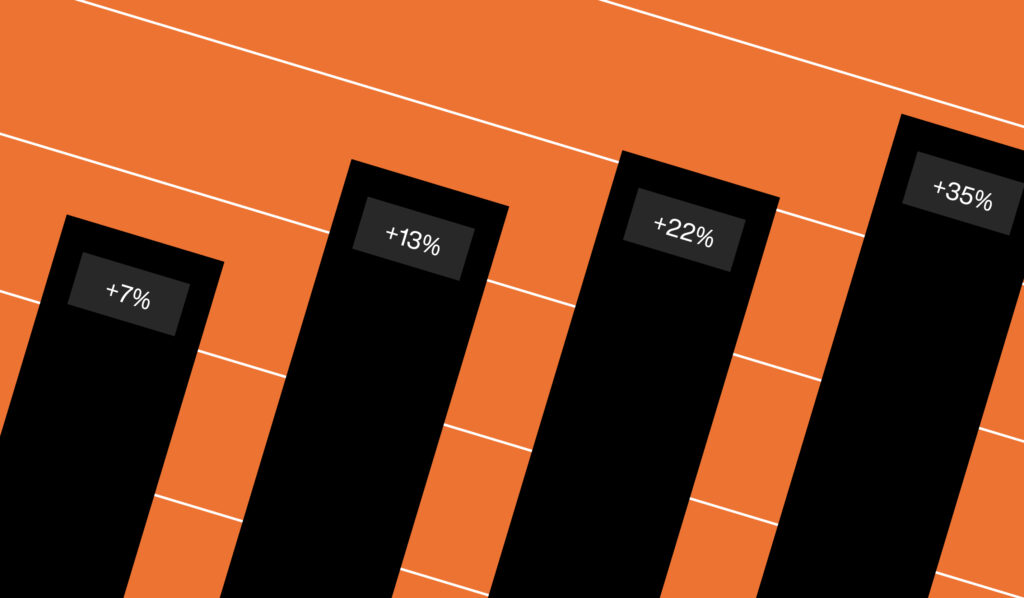
- Fixing post-conversion UX gaps has measurable ROI: Bain & Company research shows that increasing customer retention by 5% can increase profits by 25% to 95%
Why Beautiful Marketing Sites Don’t Reduce Customer Churn on Their Own
Marketing sites are built to persuade. Member portals, checkout flows, and dashboards are built to function. The disconnect between those two goals creates a quality gap that customers feel immediately, and for many brands that gap is the single biggest driver of early churn.
Here’s how it happens. A B2B SaaS brand spends six months on a website redesign. The agency delivers a beautiful, modern site with thoughtful typography, intuitive navigation, sophisticated interactions. Prospects arrive, explore, convert. Then they get redirected to a member portal that looks like it was built in 2014 using an off-the-shelf SaaS template. Different colors, different fonts, different navigation logic, different visual language. The brand promise was premium and strategic; the portal experience feels generic and transactional.
The customer doesn’t consciously think “this company lied to me,” but the feeling is there. The quality dropped. If the experience quality dropped this fast, what else did they oversell?
DTC brands experience this at checkout. Shopify or WooCommerce stores invest heavily in brand-forward product pages, then hand customers off to a checkout template that uses default system fonts, generic buttons, and zero brand personality. Cart abandonment rates average 70% across industries according to Baymard Institute, and while payment friction and shipping costs drive most of that, brand inconsistency at checkout is a measurable contributor.
Membership-based businesses see it in member dashboards. Fitness studios, professional associations, SaaS platforms with freemium models all convert users into a portal experience that doesn’t carry forward the care, polish, or personality that won the customer in the first place.
The result is the same: customers churn faster because the post-conversion experience didn’t meet the quality standard the brand set during acquisition. Blennd calls this the Ferrari-to-Honda problem. You sold a Ferrari experience, but after the purchase you handed them the keys to a Honda.
Get the Playbook
Why Your B2B Brand is Invisible in AI Search and How to Fix It
The Three Post-Conversion Touchpoints That Reduce Customer Churn Most
Not every post-conversion touchpoint drives churn at the same rate. In Blennd’s work with B2B and membership-based brands, three moments consistently show up as the highest-leverage opportunities to reduce customer churn through better UX.
1. The first login or dashboard experience. This is the moment when the customer sees what they actually bought. If the dashboard or member portal looks outdated, cluttered, or inconsistent with the brand they just committed to, doubt sets in immediately. For SaaS brands, this is the make-or-break moment where users decide whether to engage with the platform or quietly stop logging in. For membership sites, this is where users decide whether the community or content library feels worth the recurring fee.
2. Checkout and payment flows. For eCommerce brands, checkout is the final conversion gate, but it’s also the first post-decision experience. If the checkout page feels generic, clunky, or visually disconnected from the product pages, customers hesitate. That hesitation shows up as cart abandonment, but for customers who do complete the purchase, it also colors their perception of the brand. Fixing checkout UX doesn’t just improve conversion rates; it sets a quality expectation for what happens after the sale.
3. Onboarding and first-use workflows. The gap between signup and first value realization is where most SaaS churn happens. ProfitWell data shows that 40-60% of free trial users never return after the first session. Onboarding isn’t just an activation problem; it’s a UX consistency problem. If the onboarding email sequence, initial setup flow, or tutorial experience feels disconnected from the brand quality the customer experienced during evaluation, they’re less likely to push through friction.
Brands that want to reduce customer churn should prioritize these three touchpoints before attempting broader portal or dashboard overhauls. Fixing these moments has immediate ROI because they sit at the point where customers are most vulnerable to regret, hesitation, or confusion.
How to Extend Brand-Consistent UX Without Rebuilding Everything
The instinct when facing a Ferrari-to-Honda problem is to rebuild the entire post-conversion system. That’s rarely the right answer. Full portal rebuilds are expensive, slow, and risky; they often take 12-18 months and require migrating user data, retraining internal teams, and re-testing integrations. Most brands can’t afford that timeline or that risk, especially when churn is happening now.
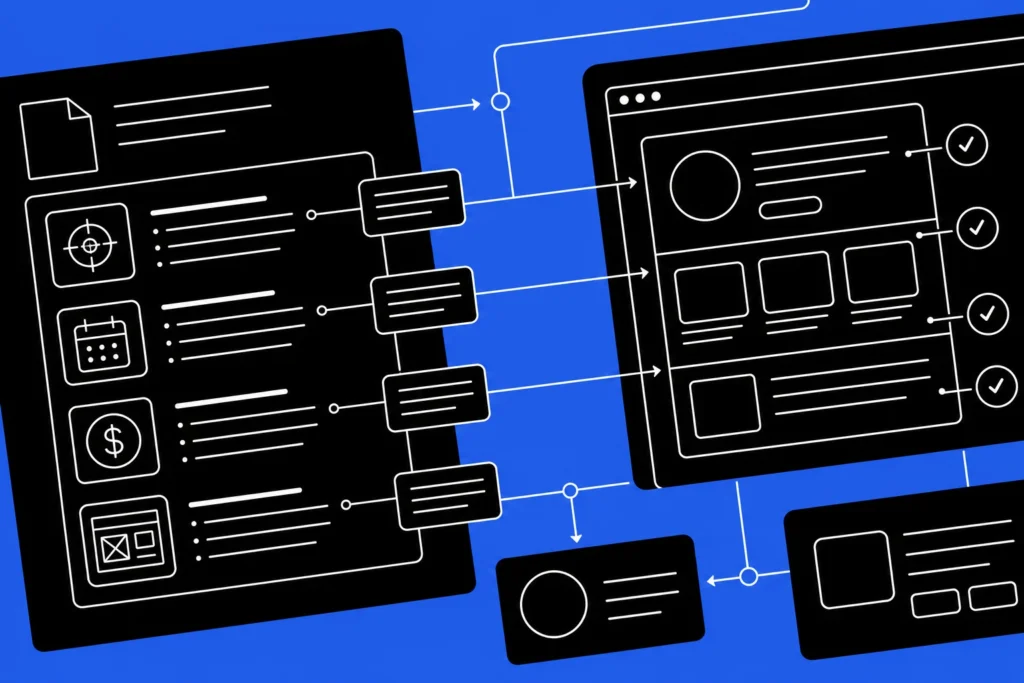
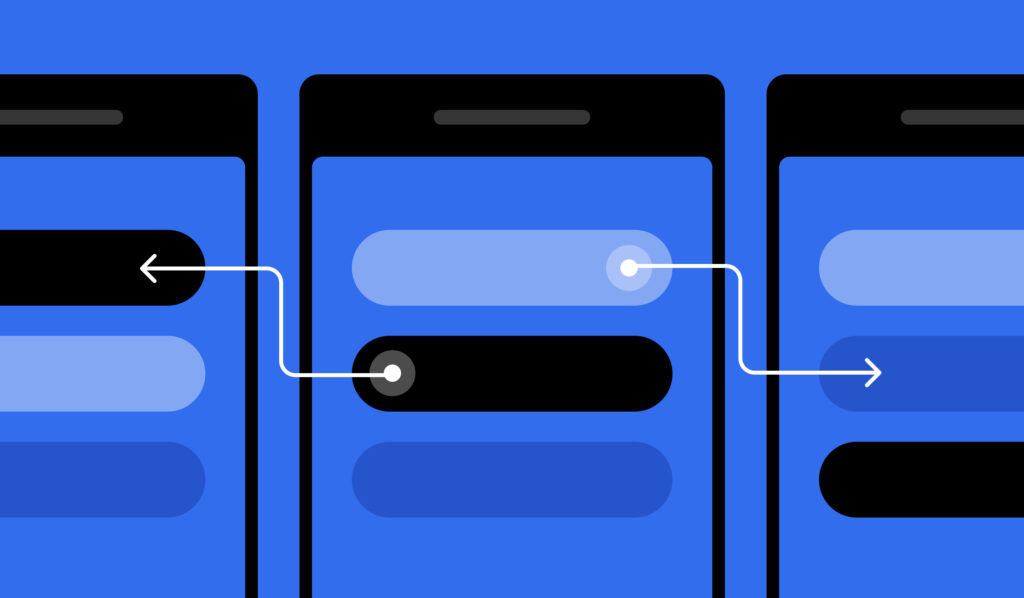
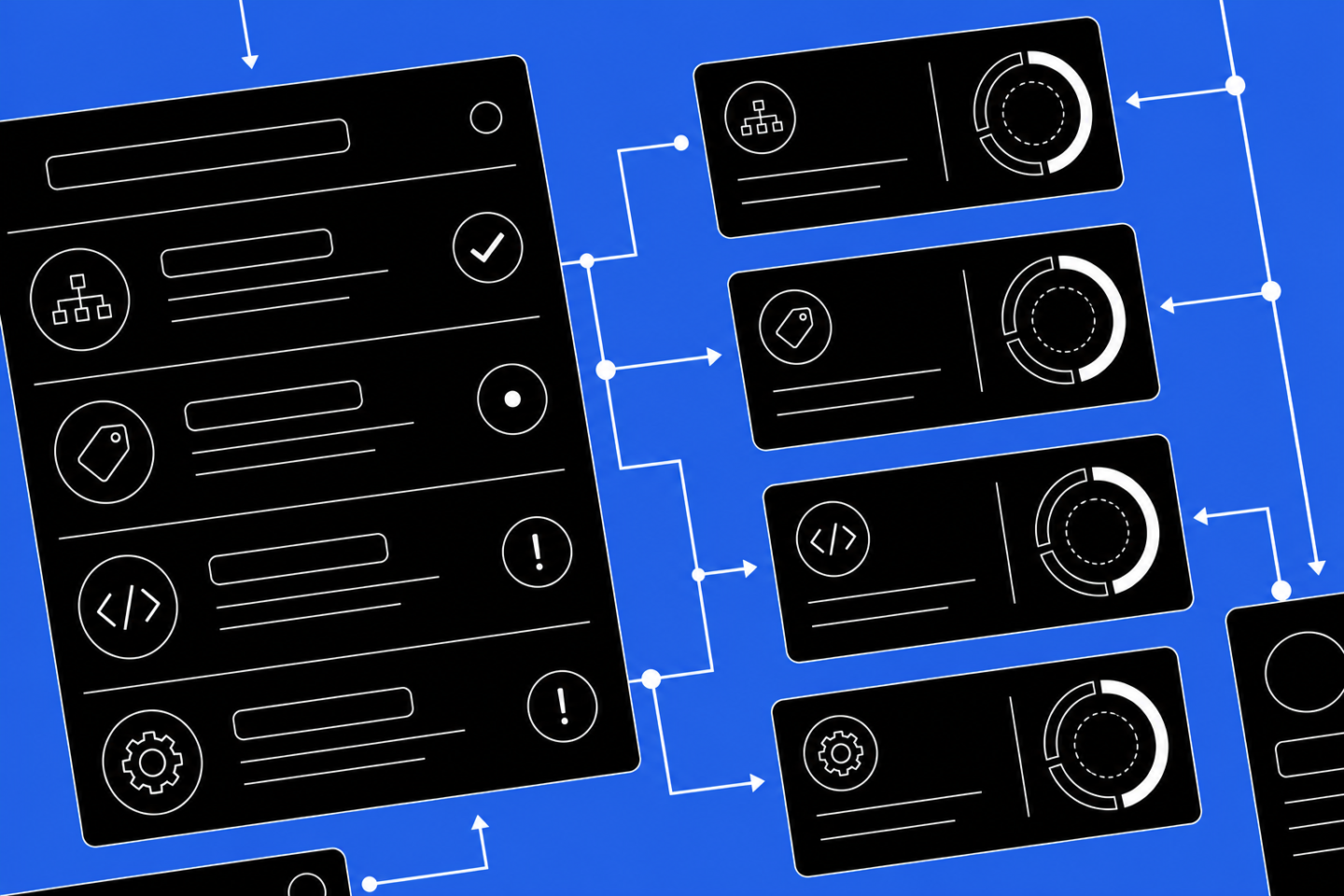
The better approach is phased integration: identify the 3-5 highest-friction post-conversion touchpoints and extend brand-consistent UX into those moments using overlays, custom templates, and embedded flows. The goal isn’t visual perfection; it’s perceptual continuity. Customers need to feel that the brand they committed to is still present after the sale.
Here are the tactics that work:
Iframe overlays for checkout. Many eCommerce platforms allow you to wrap third-party checkout flows (Stripe, PayPal, Shopify Checkout) in branded iframe containers. This lets you preserve your site’s header, footer, typography, and color palette while the payment processor handles the transactional logic. The customer never leaves your brand environment. When Blennd rebuilt the eCommerce experience for G FUEL, phased Shopify CRO work included cleaner checkout flows that maintained brand consistency without disrupting the high-volume transactional engine.
Custom-styled dashboard templates. Most SaaS platforms and membership portals use templated dashboard systems (WordPress + MemberPress, custom Rails apps, low-code tools). Instead of rebuilding the backend, extend your brand’s CSS framework into the dashboard’s front-end templates. This means matching typography, button styles, navigation patterns, and color usage so the dashboard feels like it belongs to the same brand as the marketing site. The backend logic stays the same; the visual layer becomes consistent.
Onboarding email sequences with embedded branded flows. Post-signup onboarding often happens over email. If those emails look and feel like generic system notifications (plain text, default fonts, no visual identity), customers mentally categorize them as transactional rather than relational. Reframe onboarding emails as branded editorial content with embedded micro-interactions, progress indicators, and next-step CTAs that match the visual and tonal quality of your marketing site.
Phased integration roadmaps. Start with the highest-impact touchpoint (usually first login or checkout), extend brand consistency there, measure the churn impact, then move to the next touchpoint. This approach reduces risk, proves ROI incrementally, and gives you time to test what resonates with customers before committing to broader system changes.
The principle underlying all of these tactics is the same: brand consistency after the sale isn’t about making everything pixel-perfect. It’s about preventing perceptual whiplash. Customers should feel that the brand they chose is still the brand they’re interacting with. That continuity reduces doubt, which reduces churn.
Why Membership Website Design Is the Hardest Post-Conversion UX Problem
Membership-based businesses face a unique version of the Ferrari-to-Honda problem because they have two distinct user journeys that need to stay connected: the public-facing marketing site (designed to convert visitors into members) and the member-only portal (designed to deliver ongoing value). Most membership websites treat these as separate systems, and the disconnection between them drives churn.
The marketing site is polished, persuasive, visually cohesive. The member portal is utilitarian, dense with links, heavy on text, light on design. New members log in for the first time and the cognitive dissonance is immediate: this doesn’t feel like the community or resource library I was sold.
For fitness studios, professional associations, online course platforms, and SaaS freemium models, membership website design has to solve for both conversion and retention simultaneously. That means designing member portals with the same care, intentionality, and brand consistency as the marketing site.
When Blennd worked with Transform Fitness to redesign their booking and membership experience, the focus was on eliminating friction at every step: clear messaging about class offerings, Mariana Tek integration for streamlined scheduling, and membership purchase flows that maintained the studio’s premium brand feel. The result was measurable: 343 repeat buyers, 86.96% conversion rate on membership upgrades, and $129,315.78 in total revenue generated.
The lesson from that work applies to all membership-based brands: reducing customer churn isn’t just about improving what happens after someone becomes a member. It’s about making the transition from prospect to member feel seamless, consistent, and aligned with the quality promise the brand made during acquisition.
Reducing Customer Churn Starts with Mapping the Quality Drop-Off Points
Most brands know they have a churn problem. Fewer brands know exactly where in the customer journey the quality perception drops. To reduce customer churn through better post-conversion UX, start by mapping the moments where customers feel the gap between what was promised and what was delivered.
Here’s how:
Walk through your own customer journey as if you were a first-time user. Start on your homepage, navigate to a product or service page, convert, and then follow the post-conversion path. Where does the experience feel different? Where does the brand voice change? Where do visual elements (typography, color, layout, navigation) shift? Write down every moment where you notice a quality drop-off.
Interview recently churned customers (if they’ll talk) or run exit surveys. Ask specifically about the onboarding experience, the first login, the member portal, the checkout flow. Don’t ask “was it good or bad;” ask “how did it compare to what you expected based on the website?” The gap between expectation and experience is what drives churn.
Run session recordings and heatmaps on your highest-friction post-conversion pages. Tools like Hotjar, FullStory, or Microsoft Clarity show you where users hesitate, abandon, or revisit the same section multiple times. Those hesitation points are often quality perception gaps, not functional issues.
Once you’ve mapped the drop-off points, prioritize them by impact and feasibility. The highest-impact opportunities are the ones that happen earliest in the post-conversion journey (first login, checkout, onboarding) and affect the largest percentage of customers. The most feasible fixes are the ones that don’t require backend changes or third-party integrations, just front-end design and messaging alignment.
Fixing these moments doesn’t require a multi-year transformation roadmap. It requires focused UX work on the 3-5 touchpoints where customers most consistently notice the quality gap. That’s how you reduce customer churn without rebuilding your entire post-conversion system.
Frequently Asked Questions
Does fixing post-conversion UX actually reduce customer churn, or is it mostly a product problem?
Churn is often a UX problem disguised as a product problem. If customers are leaving in the first 30-90 days, before they’ve had time to fully evaluate the product’s core value, the issue is usually onboarding friction, quality perception gaps, or confusion about how to get started. Fixing post-conversion UX addresses those early-stage churn drivers directly. Later-stage churn (6+ months in) is more likely to be a product-market fit issue.
How do I know which post-conversion touchpoints to prioritize?
Start with the three highest-leverage moments: first login, checkout (for eCommerce or transactional brands), and onboarding workflows. If you’re not sure which one matters most for your business, run session recordings and track where users hesitate or abandon. The touchpoint with the highest drop-off or lowest engagement is usually the one creating the most churn.
Can I extend brand consistency into third-party tools like Stripe checkout or Zendesk support portals?
Yes, but the level of customization depends on the tool. Stripe checkout supports custom CSS and iframe embedding, so you can maintain brand consistency without losing payment processor reliability. Zendesk allows branded help centers and email templates. For tools that don’t support deep customization, focus on the transitions between your site and the third-party tool so the handoff feels intentional, not accidental.
What if my member portal or dashboard is built on a legacy system I can’t easily redesign?
You don’t need to rebuild the backend to improve the front-end experience. Start by applying your brand’s CSS framework (typography, colors, buttons, spacing) to the existing templates. If the portal uses a templating engine (Jinja, ERB, Blade), you can often inject custom styles without touching the core system. Focus on visual consistency first; functional improvements can come later.
How long does it take to see churn reduction after fixing post-conversion UX?
Most brands see measurable churn reduction within 60-90 days if the fixes are applied to early-stage touchpoints like first login or onboarding. The effect compounds over time as more customers move through the improved experience. Track cohort retention rates (30-day, 60-day, 90-day) to measure impact accurately.
Is this problem specific to certain industries, or does every brand face a Ferrari-to-Honda UX gap?
Any brand with a multi-step customer journey (marketing site, conversion, post-conversion experience) faces some version of this problem. It’s most visible in SaaS, membership-based businesses, and eCommerce brands with complex checkout or account management flows. B2B service businesses face it when their proposal process or client portal doesn’t match the quality of their pitch.
Sources
- Prescription for cutting costs: The economics of customer retention. Bain & Company, 2020.
- The Value of Keeping the Right Customers. Harvard Business Review, 2014.
- The Business Impact of Investing in Experience. Forrester Research, 2023.
- Brand Consistency in User Experience. Nielsen Norman Group, 2021.
- 48 Cart Abandonment Rate Statistics. Baymard Institute, 2024.
- SaaS Churn Rate: What It Is and How to Calculate It. ProfitWell, 2023.
Losing customers after onboarding due to inconsistent UX?
Blennd helps B2B and DTC brands extend brand-consistent UX into post-conversion touchpoints without full portal rebuilds. We identify the 3-5 highest-friction moments in your customer journey and design phased integration strategies that preserve brand quality where it matters most. If you’re seeing early churn driven by experience gaps between marketing and product, let’s talk.