
eBook

The Figma live design session toolkit: how to speed up design cycles.

Design reviews drag for weeks because every stakeholder comments asynchronously. You ship watered-down compromises instead of intentional decisions. The live working session replaces the revision loop with real-time co-creation.
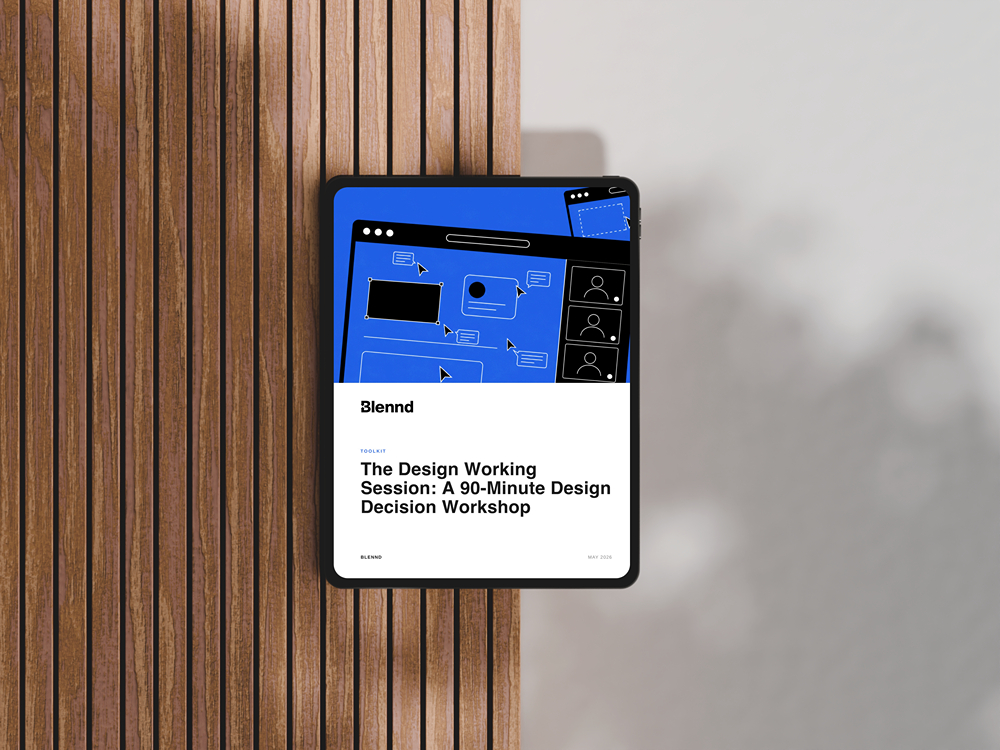
What’s inside

01.
Pre-Session Readiness Checklist

Surface every blocker before the call starts. One checklist confirms stakeholders, brand assets, copy, constraints, and decision authority are locked in so you don’t restart the async loop mid-session.

02.
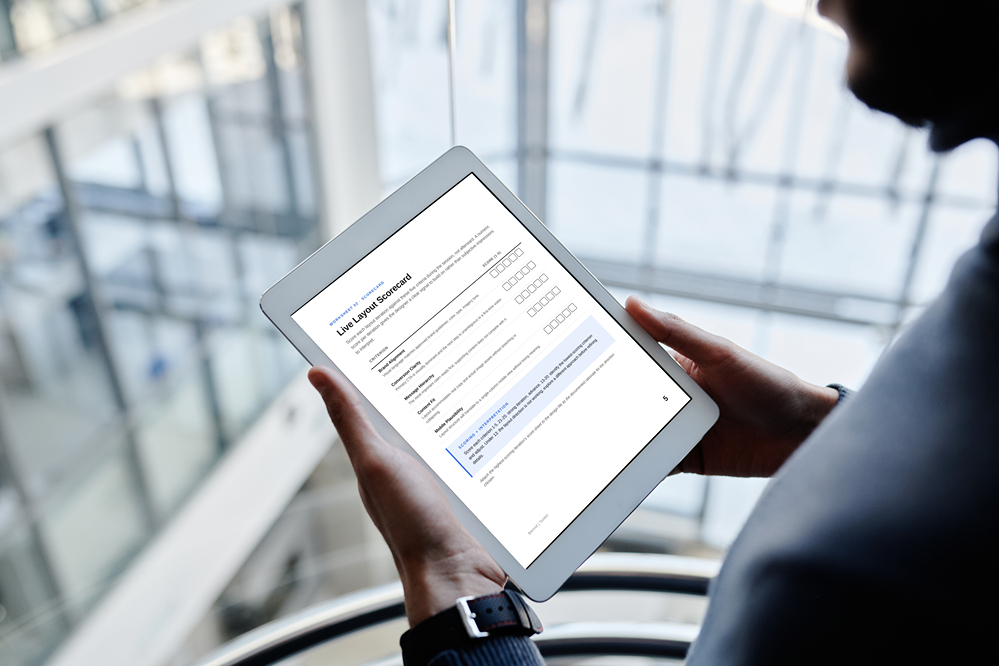
Live Layout Scoring Rubric

Score each iteration against five conversion-focused criteria in real time. The designer gets numeric signals instead of subjective impressions, and the highest-scoring layout becomes the documented rationale for your direction.

03.
Decision Map and Sign-Off Action Plan

Log every design choice as Decided, Parked, or Needs Data during the session. Then assign owners, deadlines, and success metrics to every open item before the call ends so nothing drifts back to ambiguity.

Start Making Design Decisions in Hours, Not Weeks

You’ll move from present-and-comment cycles to collaborative decision-making sessions where design choices lock before anyone leaves the call.

  • Run 60-90 minute Figma sessions where stakeholders score layouts live against conversion criteria
  • Map every design decision to Decided, Parked, or Needs Data so nothing restarts the async loop
  • Lock approved layouts with owners, deadlines, and sign-off before the session ends

Frequently asked questions

No. The designer drives Figma. Your team scores layouts and makes decisions using the worksheets provided. You participate as stakeholders, not operators.

The readiness checklist flags this before you schedule. If decision authority is missing, reschedule. Running the session without final approval restarts the revision cycle you’re trying to avoid.

Most projects need 2-3 sessions: homepage and primary pages first, interior templates second, final QA third. Complexity determines the count, but each session should close a complete set of decisions.

The Decision Map logs it as Parked or Needs Data with a named owner and return date. The post-session action plan assigns who collects the missing input and when the decision revisits. Nothing stays ambiguous.

Yes. Share the readiness checklist and scoring rubric with your designer before the session. The worksheets structure the conversation regardless of who’s building the site.

That depends on your content fulfillment speed and development complexity. The sessions compress decision cycles from weeks to hours; development timelines stay the same. Expect to cut 3-5 weeks off typical project duration by eliminating revision loops.

Get started with a free strategy session.

Whether you need a new website, better performance, or a smarter growth strategy, we’ll meet you where you are and build what’s next. No guesswork—just clear strategy and execution.

Get Free Access

Name